Digging Utility Lines to Code and Depth
Trenching and utility excavation services in Yonkers for water, sewer, electrical, and gas line installation.
Installing or repairing underground utilities in Yonkers requires trenches dug to exact depth, width, and alignment to meet code and avoid damaging existing lines. A.M.C. Excavation, LLC digs utility trenches for water service, sewer laterals, electrical conduit, and gas lines with precision that keeps projects on schedule and minimizes disruption to driveways, lawns, and sidewalks. Every trench in Yonkers begins with a call to utility locators to mark buried lines before any digging starts.
Trenching involves excavating narrow channels at depths specified by local codes and engineering plans. Water lines are typically buried below the frost line to prevent freezing. Sewer lines are sloped to maintain gravity flow to the main. Electrical and gas conduits are placed at safe depths with warning tape installed above the pipe. Spoil is staged beside the trench and backfilled in compacted lifts after the utility is inspected and approved.
A.M.C. Excavation, LLC coordinates with utility crews, inspectors, and property owners in Yonkers to complete trenching work safely and efficiently.
What Happens During Utility Line Installation
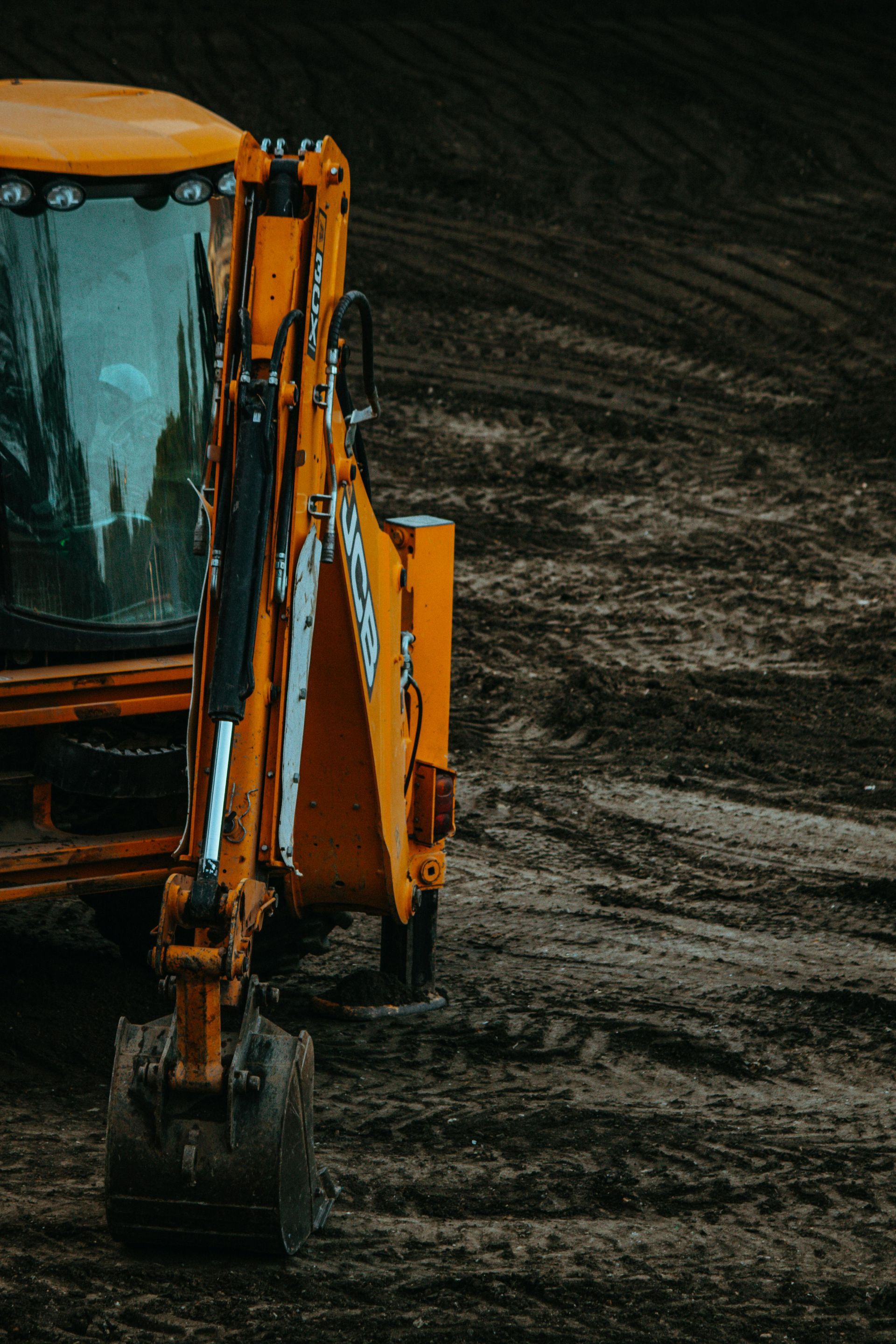
Utility excavation in Yonkers starts with locating and marking existing underground services using a combination of utility company records and electronic detection equipment. Trenches are dug with mini excavators or trenchers depending on depth, soil type, and access. Trench walls are sloped or shored to prevent cave-ins during pipe installation.
After excavation, you will see clean, straight trenches ready for pipe laying. Bedding material such as sand or pea gravel is placed at the bottom to support the pipe and prevent settling. Once the utility is installed and inspected, backfill is placed in lifts and compacted to match the surrounding soil density. Surface restoration replaces sod, pavement, or gravel depending on the trench location.
Trenching is done in sections to limit open excavation and reduce safety hazards. Depth is verified with a tape or laser to ensure compliance with code requirements. This service does not include plumbing, electrical work, or utility hookups. It provides the excavation and backfill needed for licensed tradespeople to install and connect underground lines.
Utility Work Often Brings Up Questions
Property owners planning utility installations or repairs often have similar concerns about depth, damage, and timing. These answers address the most common questions.
A.M.C. Excavation, LLC digs utility trenches in Yonkers with attention to depth, alignment, and surface protection. Get in touch to schedule trenching for new service installations, repairs, or upgrades so your project stays on track and meets inspection requirements.